
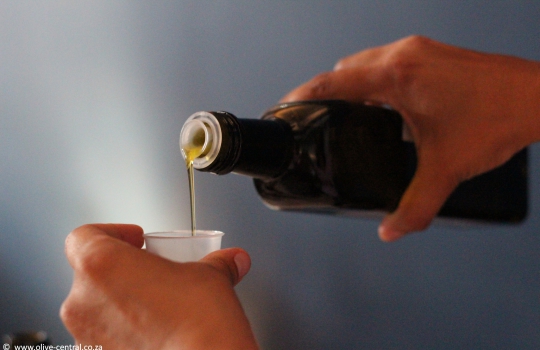
Slow Food Mother City teamed up with Olive Central for our most recent event, a tutored olive oil tasting. Our last olive event was a year and a half ago when we went to visit Rio Largo olive estate to see how olives are harvested and turned into olive oil. The tutored tasting was held […]
October 13, 2014
Comments Off on EVENT: Olive Oil Tasting & Educational – 23 October 2014
EVENT: Olive Oil Tasting & Educational – 23 October 2014
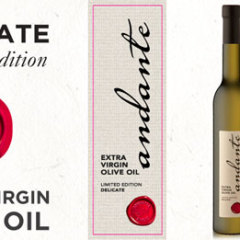
Dear Slow Food enthusiast We are pleased to have been able to organise a very rare and interesting event around olive oil. With the experienced guidance of Willie Duminy, the owner and olive oil maker of Andante Olive oils, we will taste oils from individual varieties of olives, to get an understanding of their characteristics. […]
September 1, 2014
Comments Off on Madame Fromage Cheesery Tour & Tasting – 10 September 2014
Madame Fromage Cheesery Tour & Tasting – 10 September 2014
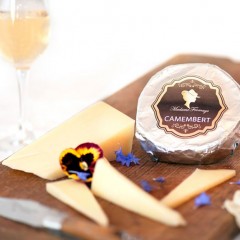
Madame Fromage is a small new Boutique Cheesery in the centre of Paarl which opened almost a year ago. Ulrike, their talented German cheese maker was originally at Anura and the cheesery was opened by three eldery ladies from Franschhoek who have invested in her business. The cheesery receives fresh raw milk from a local […]
June 27, 2014
Comments Off on Richard Bosman Charcuterie Demonstration and Talk (Friday 18 July 2014)
Richard Bosman Charcuterie Demonstration and Talk (Friday 18 July 2014)
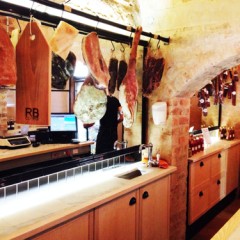
EVENT: Richard Bosman Charcuterie Demonstration and Talk Friday 18 July 2014 Join us for an exciting lunch time presentation at Richard Bosman’s charcuterie production facility in Killarney Gardens. Founded in August 2009, Richard Bosman’s Quality Cured Meats is a small factory committed to producing excellent cured meats using traditional methods. After 5 successful years running the Deli […]
May 19, 2014
Comments Off on Oranjezicht City Farm Tour – 7 June 2014
Oranjezicht City Farm Tour – 7 June 2014
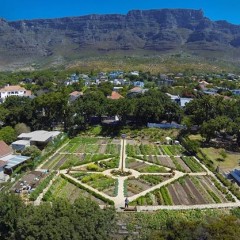
EVENT: Oranjezicht City Farm Tour – 7 June 2014 Join us on Saturday 7 June for a guided tour of Cape Town’s exciting community garden in the heart of the City Bowl, as well as time to visit their weekly market day. The Oranjezicht City Farm (OZCF) is a non-profit project celebrating local food, culture and community through […]
April 2, 2014
Comments Off on Botanicals & Cocktails at Jorgensen’s Distillery
Botanicals & Cocktails at Jorgensen’s Distillery
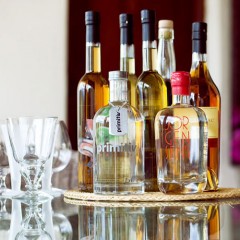
Join us on Saturday 12 April 2014 for an informative and fun morning with “The Still Man” Roger Jorgensen. We will spend the morning looking at the interaction of alcohol and plants, smelling and tasting the local and exotic botanicals Roger grows on his farm and how plants are used to formulate recipes for gin, absinthe and […]
March 7, 2014
Comments Off on Grootbos Tour, Lunch & Milkwood Forest Walk – 29 March 2014
Grootbos Tour, Lunch & Milkwood Forest Walk – 29 March 2014
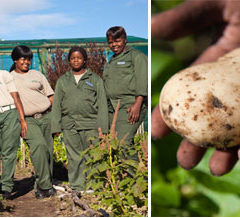
Dear Slow Food members and enthusiasts, Join us on Saturday 29 March 2014 for a guided tour of two of the Grootbos Foundation’s (part of the beautiful Grootbos Private Nature Reserve) projects, namely “Growing the Future” and “Green Futures”. A two hour drive from Cape Town, 13 km past Stanford, nestled between mountain and sea, the Grootbos Private […]
Upcoming Events!
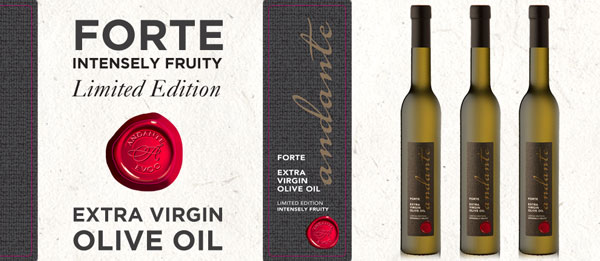
- 23 October 2014 - Olive Oil Tasting & Educational - BOOKINGS OPEN!.
 Sign up for the
latest Slow Food Mother City news and upcoming events!
Sign up for the
latest Slow Food Mother City news and upcoming events!

Follow @slowmothercity on Twitter


November 1, 2014
Comments Off on Tutored Olive Oil Tasting